Every lantern quotation you will ever receive contains a line like "24V LED system, IP65, warm white + RGB zones." Most buyers nod and move on. That is a mistake: these three specifications decide whether your festival passes inspection, survives the weather, and glows the way the render promised. Here is what they actually mean, in plain English.
Voltage: Why 24V Is the Industry Standard
Lanterns destined for public spaces run on 24V or 36V low-voltage DC systems, not the mains voltage that powers a building. This is a deliberate safety architecture, and it matters wherever visitors can touch, lean on or photograph your lanterns:
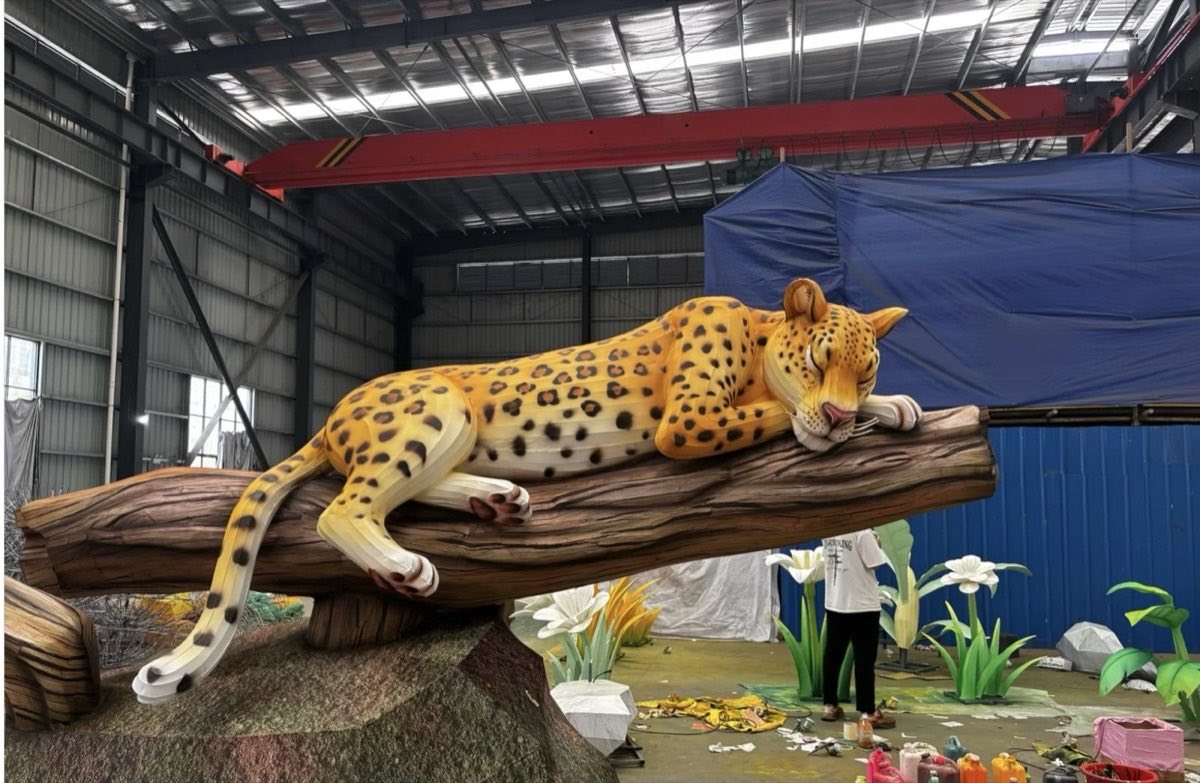
- Human safety: contact with 24V DC is harmless; the same contact at mains voltage can be fatal. When a child rests a hand on a glowing tiger, the voltage inside that tiger is the difference between a photo and an incident report.
- Inspection compliance: low-voltage systems face dramatically lighter certification requirements in most jurisdictions, which shortens your permitting timeline.
- Fire risk: lower voltage means lower arc energy at connection points — one less ignition source inside fabric structures.
The design consequence is a step-down architecture: mains power enters at a small number of distribution boards (protected, locked, RCD-fitted), and everything downstream — every lantern, every strip, every connector — runs at safe low voltage. When you review a supplier's wiring diagram, look for exactly this pattern. A lantern trail wired at mains voltage throughout is a lantern trail that will fail your safety review.
IP Ratings: The Two-Digit Weather Test
"IP" is Ingress Protection — how well a component keeps out solids (first digit) and liquids (second digit). A lantern rated IP65 is dust-tight and protected against water jets; IP67 adds survival under temporary immersion. For festival builds:
- IP65 — the baseline for sheltered and standard outdoor positions
- IP66 — the standard for exposed monumental figures and motor housings
- IP67 — required for water-adjacent placements, coastal salt air, and ground-recessed components
The practical guidance: match the rating to the actual position, not to a generic "outdoor" label. A lantern beside a reflecting pool, facing sea wind, or sitting where drainage water pools needs IP67 — and the specification should say so in writing, because replacing an LED system mid-season is the most expensive repair a festival can face.
Colour Temperature: Warm Sells, Cool Scales
LED colour temperature (measured in kelvin) is the difference between a lantern that flatters and one that flattens:
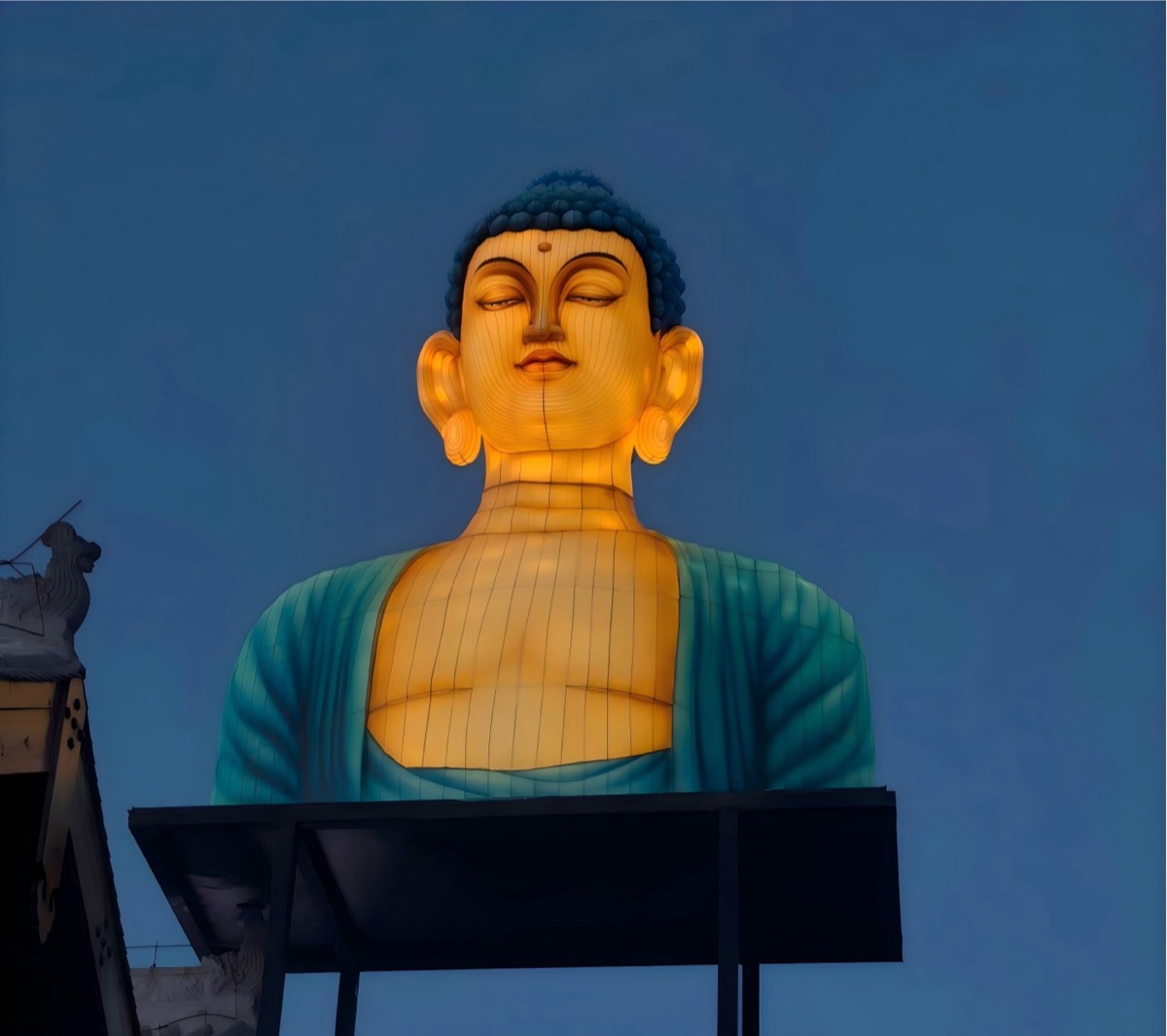
Warm white (2700—3000K) renders silk fabric the way festival photography expects — golden, glowing, inviting. It is the default for heritage themes, animal lanterns and anything meant to feel crafted. Neutral and cool whites (4000—6500K) read as modern and technological — right for astronaut themes, ice worlds and corporate activations, wrong for a traditional dragon, which will look like hospital lighting.
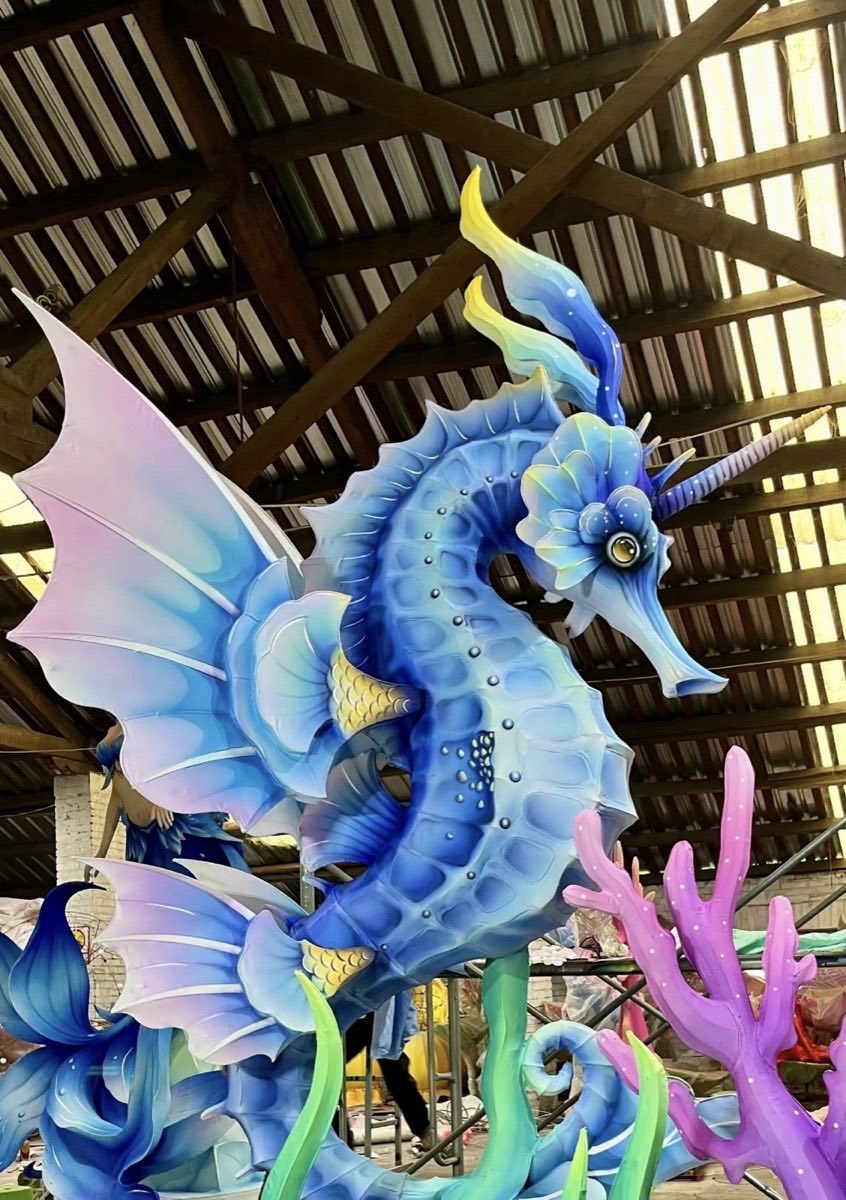
RGB zones add programmable colour for dynamic scenes — gradient scales on a dragon, shifting blues on an underwater corridor. The engineering note worth remembering: colour accuracy depends on the LED binning quality, and cheap RGB strips are why some festivals look vibrant in renders but washed-out in person. If colour fidelity matters to your brand, ask your supplier which LED product line they quote.
Control: Static, Programmable, DMX
Three tiers of control, each priced differently and serving different ambitions:
- Static — fixed warm lighting, on at dusk, off at close. Simple, reliable, cheapest.
- Programmable cycles — pre-set sequences: breathing effects, colour shifts, chase patterns along a corridor. No operator required.
- DMX control — live-programmable scenes that a show operator can change nightly, sync to music, or trigger at scheduled moments. This is what powers showpiece moments and opening ceremonies.
A well-specified trail mixes tiers: static base lighting for 80% of scenes, programmable accents at dwell points, and DMX at the one or two showpiece moments where crowds gather.
The Questions That Protect Your Budget
- "Is the entire downstream system low-voltage, and where are the distribution boards?"
- "Which IP rating applies to which positions — stated per scene, not as a blanket figure?"
- "Which LED product line is quoted, and can I see a lit sample before production?"
- "What control tier does each zone run, and who operates it during the season?"
- "What spares ship with the build, and what is the fault-repair response time?"
A manufacturer who answers these in one call has engineered your build. A manufacturer who answers with reassurance instead of specifications has not.
Every lantern we build ships with its electrical specification documented per scene — voltage architecture, IP ratings by position, LED product line and control mapping. Ask us to walk you through one. Talk to a project lead →