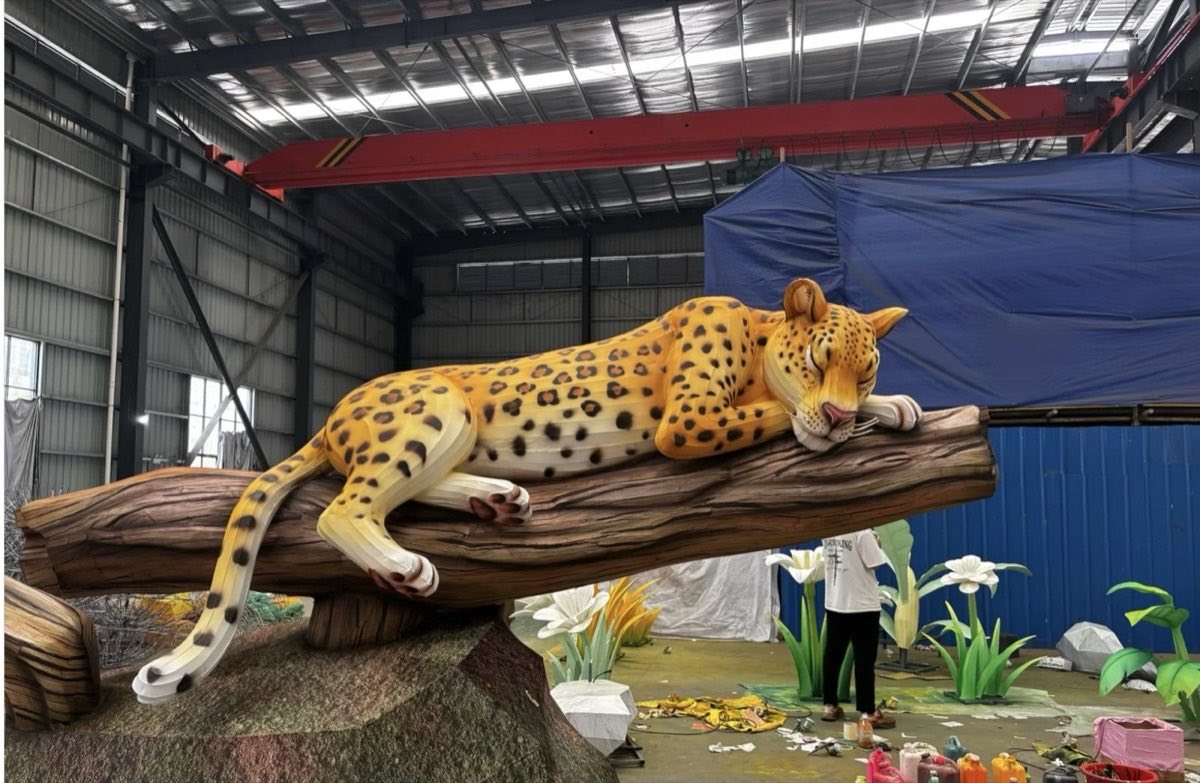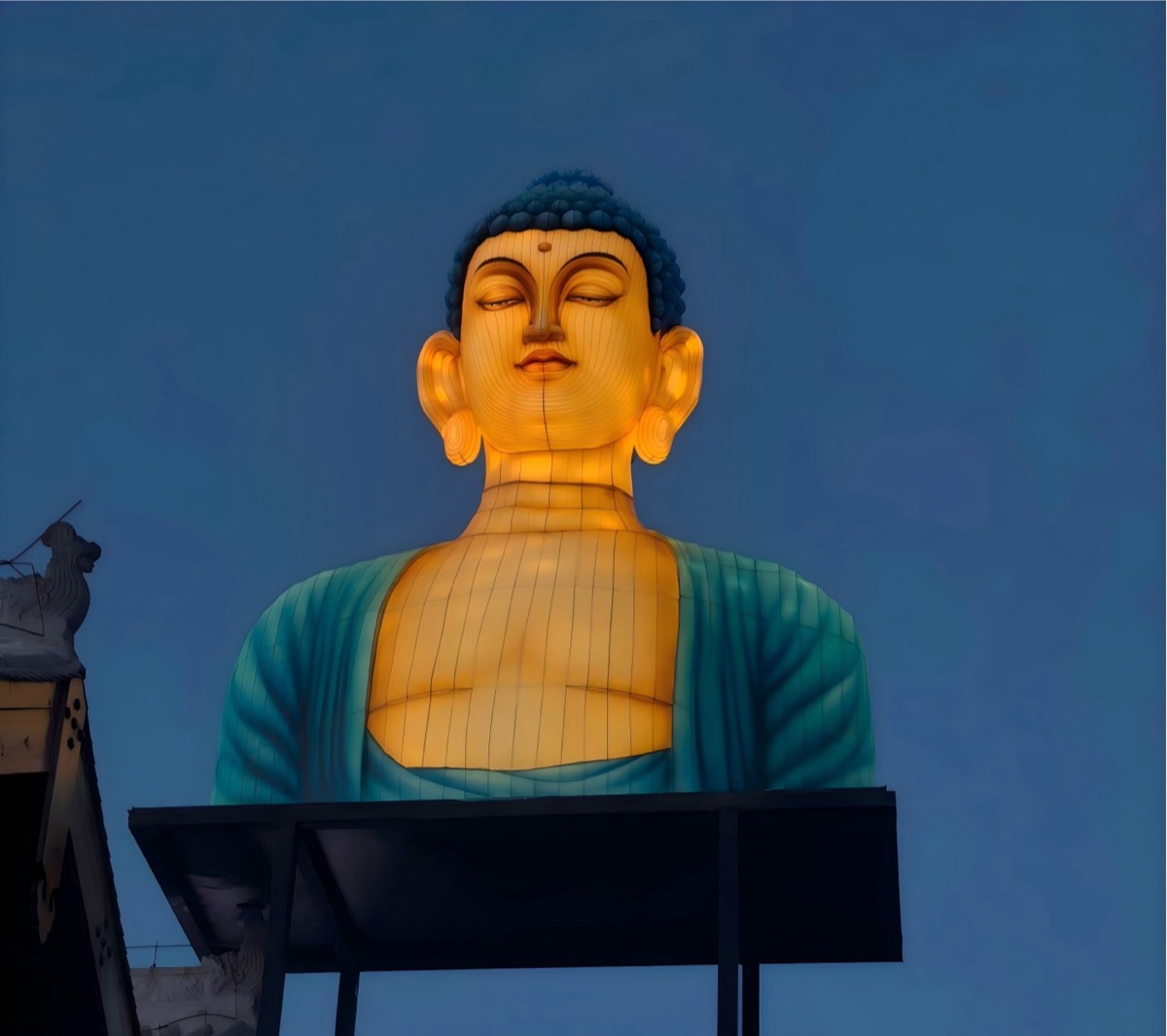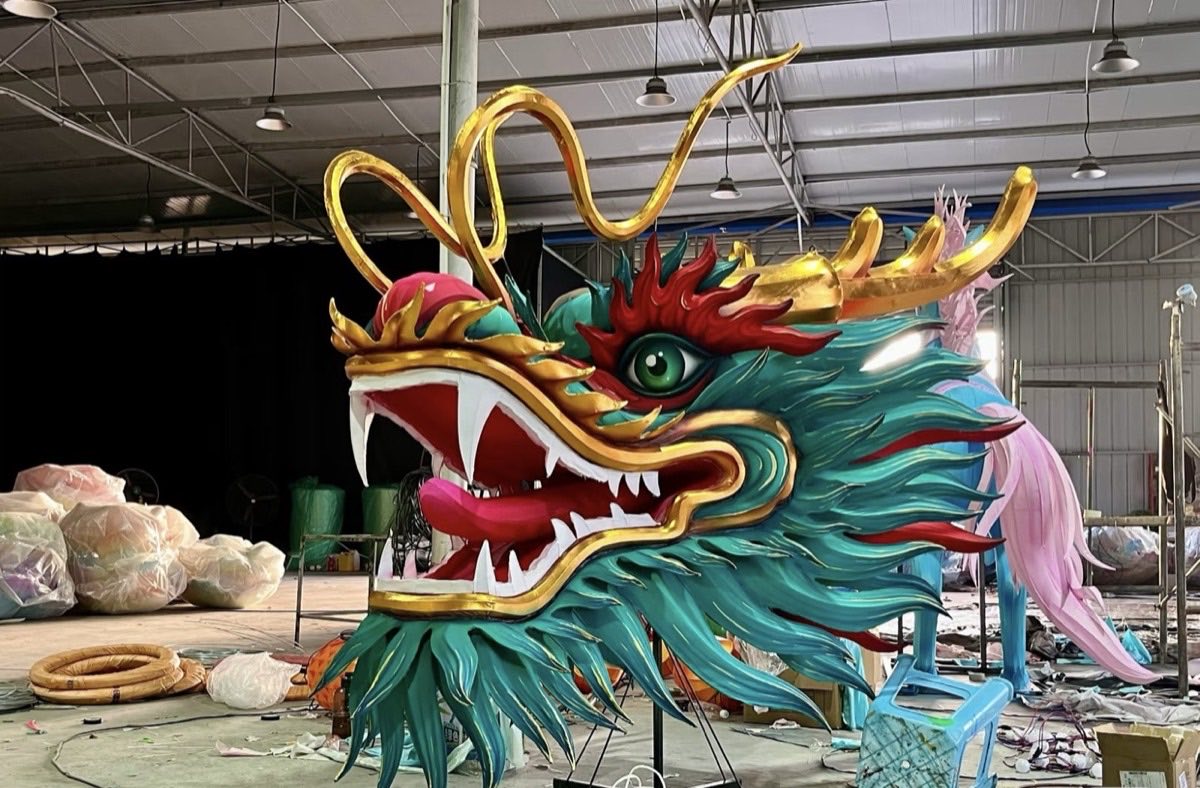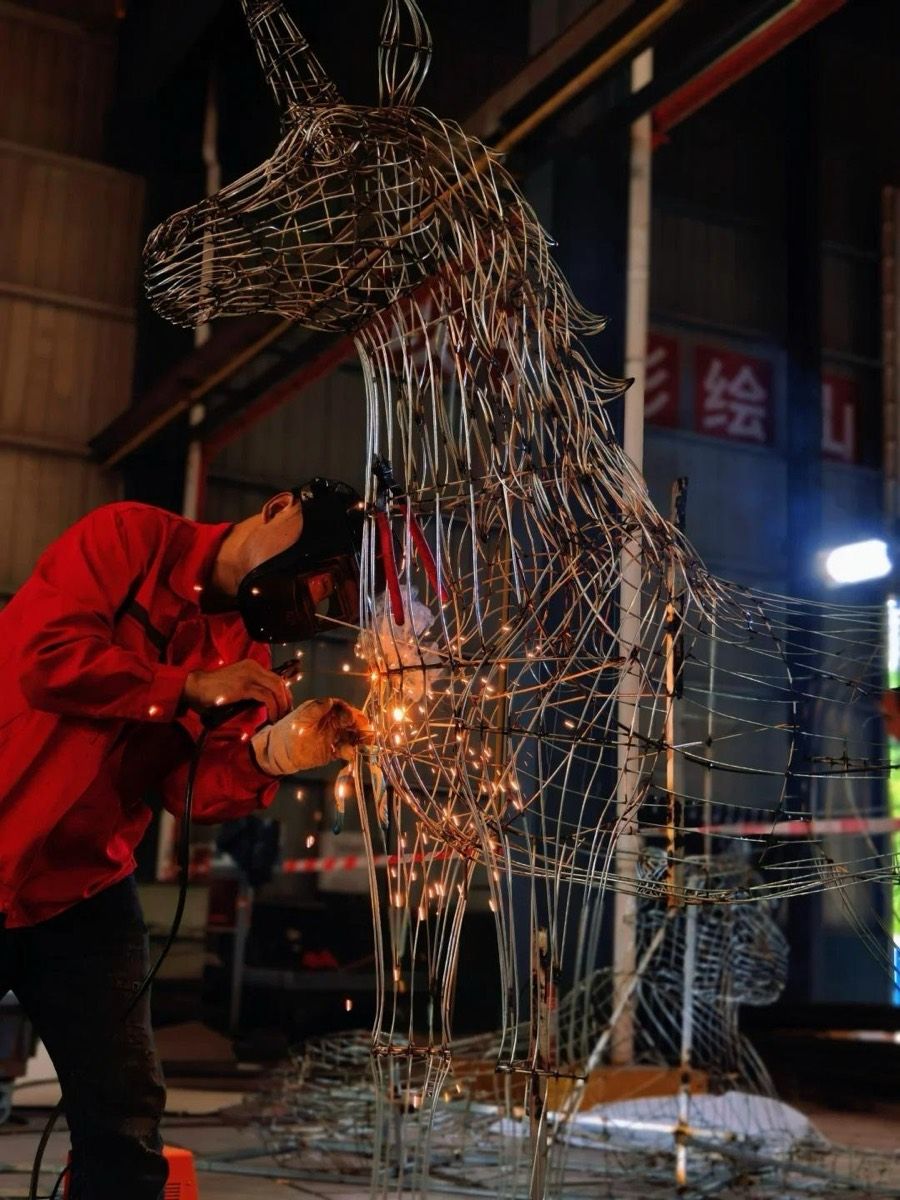
Lantern festivals are a six-figure purchase with public-safety implications and a hard opening date. Yet the industry's supply base is opaque: trading companies pose as factories, freelance brokers pose as manufacturers, and polished render portfolios hide outsourced workshops. After a decade of exporting custom lanterns, we have collected the questions that separate professionals from pretenders. Here is the checklist we would hand to our own procurement team.
1. Who actually owns the production floor?
This is the single most important question, and the easiest to fake. Trading companies will claim "our factory" while subcontracting your build to whichever workshop has spare capacity that month. The consequences are invisible until they aren't: uncontrolled welding quality, undocumented electrical work, and a delivery date that slips because your project was never on anyone's priority list.
How to verify: Ask for a live video walk-through during working hours — not a recorded tour, which can be filmed anywhere. Ask the camera to show your project in production, by name. Ask to see the business licence and check the registered address against the address the video shows. A real manufacturer can do all three in one call. Ours is arranged through the contact page.
2. Is design and engineering in-house, or bought in?
Lanterns are engineered structures, not craft projects. A 20-metre dragon carries wind load; an LED system runs through public space; a frame must survive container transport and reassembly. If the supplier cannot produce load calculations, wind-rating rationale and wiring diagrams from their own team, those documents will be someone else's — or nobody's.
How to verify: Request a sample structural calculation and a wiring schematic from a past project. Ask who signs them. In-house engineering teams answer in minutes; brokers forward your email to someone else.
3. Do similar project cases exist — with contactable references?
Renderings prove design skill; only delivered projects prove execution. Ask for three references in your venue type — a zoo, a mall, a city agency — with photos taken on site and, ideally, the client's name and permission to call.
Red flag: a portfolio entirely of night-time beauty shots with no daylight install photos. Daylight photos of the installation in progress are the proof that the work happened where the supplier says it did.
4. What safety documentation accompanies the shipment?
Your venue's insurer and your city's licensing office will ask for documents before a single visitor walks through. A professional manufacturer ships them without being asked:
- Fire-retardant fabric certificates with test standards stated
- Load calculations for structures above crowd height
- IP ratings matched to your climate and stated in writing
- CE / UL compliance records for electrical systems
- Assembly drawings with anchoring and spacing requirements
If the supplier's response to this list is "don't worry, we always do it safely," the documents do not exist. Our documentation pack is itemised here.
5. Who owns the whole chain — production to install?
A lantern festival fails at its handoffs: design to factory, factory to freight, freight to install, install to operation. Every handoff between separate companies is a place where blame gets transferred and schedules die. The weakest link defines your opening night.
How to verify: Ask one question: "If the opening is delayed, whose fault is it?" A turnkey supplier can answer "ours" in a single word. A broker needs a paragraph.
6. Is the quotation structured around verifiable milestones?
Transparent quotations tie payment stages to physical stages you can verify: deposit at production slot, balance at shipment — with photo evidence at each gate. Be suspicious of pricing that arrives in a single unexplained number, or that shifts materially between conversations. Pricing should itemise design, production, electrical fit-out, crating, freight and installation, because each of those is separately verifiable.
7. What happens in year two?
The strongest economic case for lantern festivals is repetition: the same build refurbished, re-themed and re-deployed for multiple seasons. That only works if the supplier engineered for it — bolt-together frames, replaceable panels, modular LEDs — and stays available for maintenance, dismantling and storage. Ask how many of their clients run the same display for a second or third season. If the honest answer is "none," the builds were not made to survive.
We chose our manufacturer because they could tell us, in the first meeting, exactly what documents our city would need for the permit. Nobody else had even thought about it.— Project Manager, Municipal Events Office
The five-minute smoke test
If you take nothing else from this guide, run these three checks before your next call with any supplier:
- Ask for a live video tour of the factory floor, today, while work is happening
- Ask for one complete safety document set from a delivered project
- Ask who is accountable if the opening date slips — and count the words in the answer
We built our factory tour page with photographs from our own production floor because we believe every buyer should run these checks. Run them on us too. Request a video walk-through →