Ask any city economic development officer what their downtown looks like at 8 pm in February, and you will hear the same story: empty plazas, closed cafés, and public spaces that cost money to maintain but earn nothing back. The nighttime economy — the hours between sunset and the last train home — has become the frontier of urban placemaking, and light festivals have emerged as its most reliable activation tool.
As a manufacturer working with zoos, botanical gardens, city agencies and commercial districts across 20+ countries, we watch this data arrive with every project debrief. The pattern is remarkably consistent, and it explains why light festival budgets keep growing.
What "Nighttime Economy" Actually Measures
The term covers everything a visitor spends between dusk and midnight: tickets, parking, dinner, drinks, retail and transport. The lever that matters most is not the ticket price — it is dwell time. A visitor who stays 45 minutes buys a ticket. A visitor who stays three hours buys dinner, dessert and a gift on the way out.
This is where light festivals outperform nearly every alternative. A concert delivers 2 hours of engagement for one audience, one night. A lantern festival trail delivers 60—120 minutes of walkable, photographable experience for thousands of visitors a night, six or seven nights a week, for six to ten weeks.
Why Lanterns Specifically Win the Winter Problem
Most nighttime-economy tools fail in the cold months. Outdoor cinema needs warmth. Markets need shoppers willing to linger. Projection mapping is spectacular but flat — it lights walls, not paths, and it does not pull visitors through a park.
Lantern festivals are engineered for exactly the slot other formats abandon:
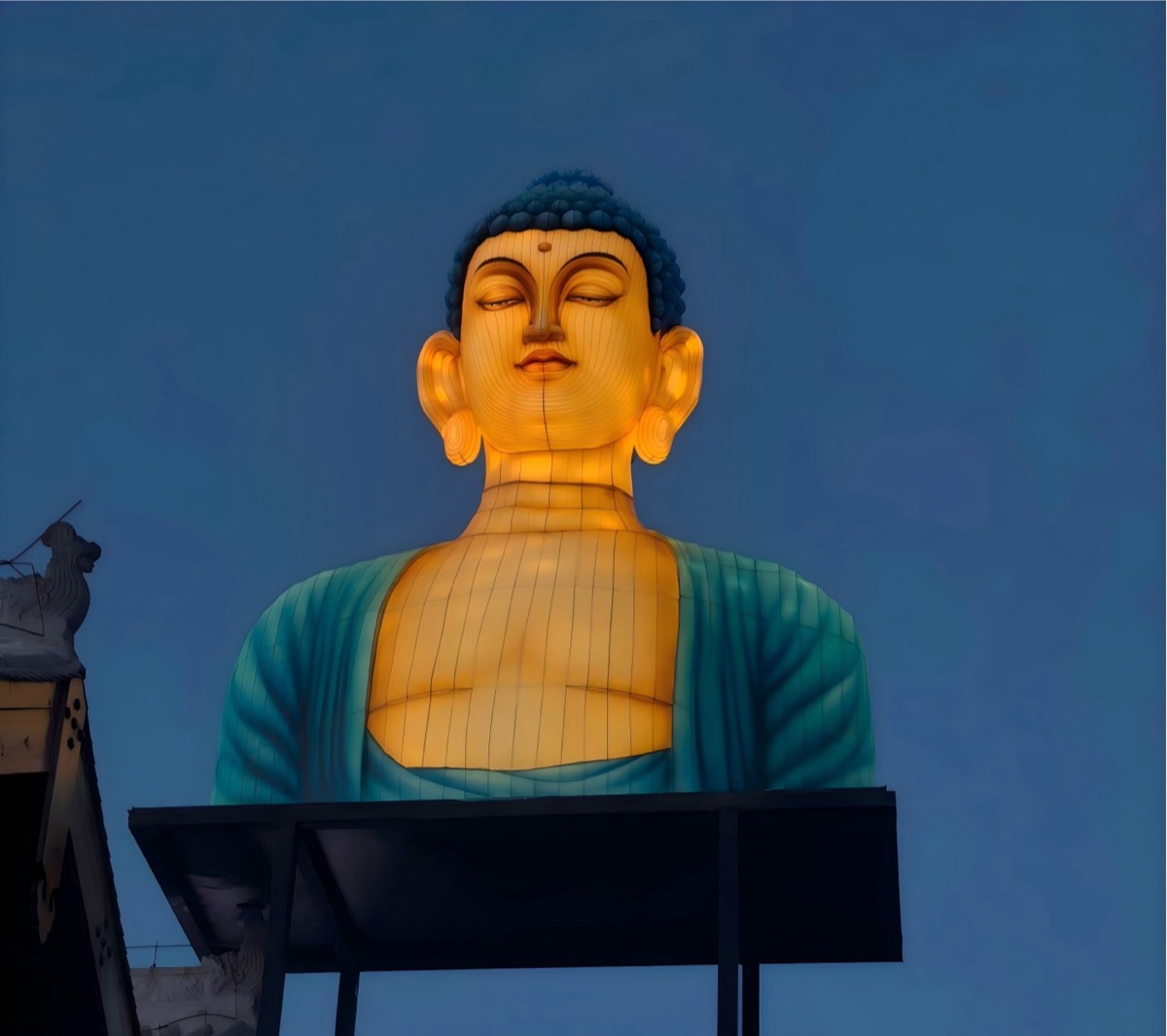
- They make cold air an advantage. Crisp winter nights sharpen the glow of a 30-metre dragon; the atmosphere projection art fights for simply cannot match.
- They are walkable infrastructure. A trail of lantern scenes distributes crowds across a whole site instead of concentrating them in one plaza — spreading food kiosks and retail points along the route.
- They are photogenic by design. Every scene is a photo point with scale, colour and warm light — organic social reach that advertising budgets cannot buy.
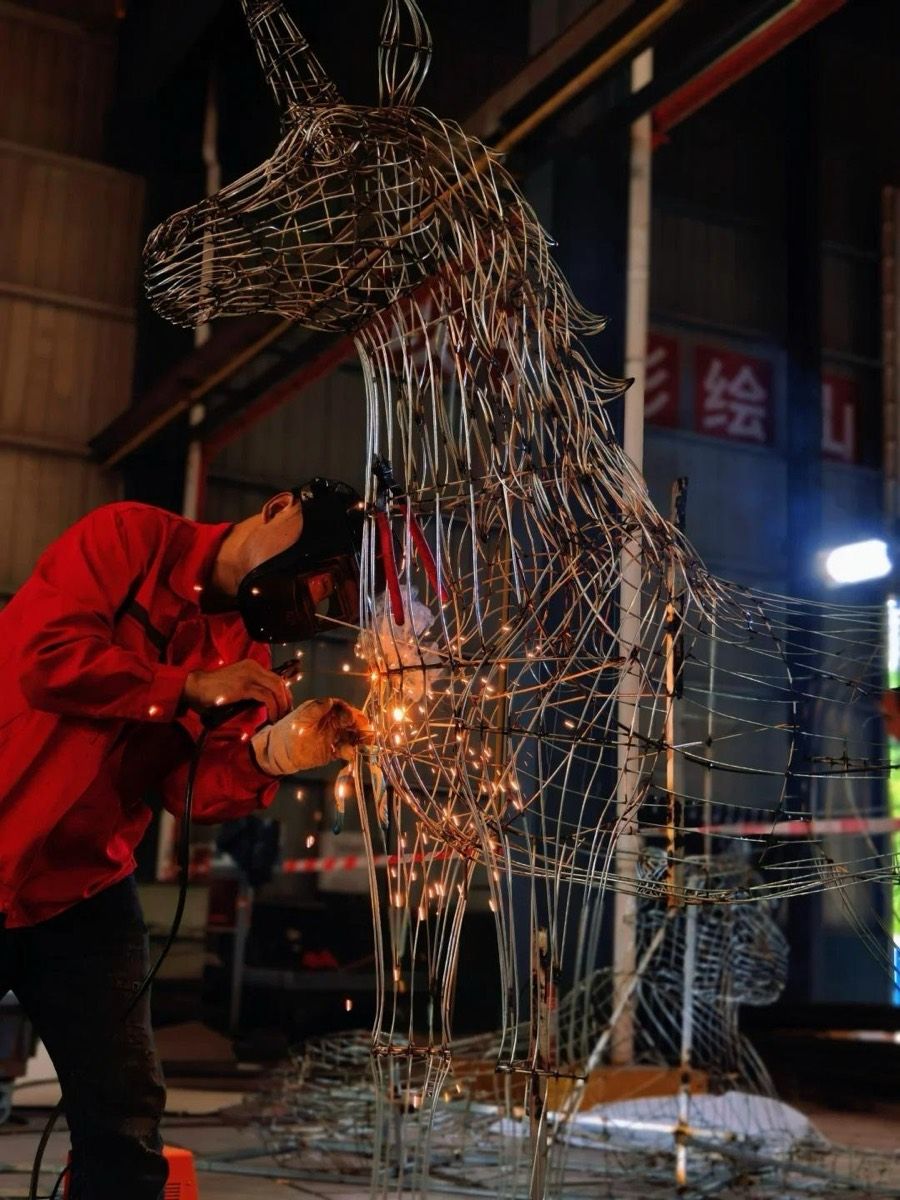
- They disappear when the season ends. Bolt-together frames dismantle in days, leaving no permanent structure to depreciate.
We stopped thinking of it as an event and started thinking of it as winter infrastructure. The lanterns are only here ten weeks, but they carry a quarter of our annual catering revenue.— Operations Director, European Botanical Garden
The Four Revenue Layers
When cities and venue operators model a light festival, the ticket line is only the first of four revenue layers:
1. Direct ticketing. Timed-entry evening tickets at premium winter pricing. Because lantern trails have natural capacity limits set by path width, scarcity works in the operator's favour.
2. Extended F&B and retail. Dwell time converts directly to spend. A 90-minute trail with a well-placed halfway point typically lifts food and beverage revenue 15—25% on event nights.
3. Hotel and transport packages. Destination-scale festivals pull visitors from 100+ km away, which is why tourism boards increasingly co-fund them. One festival partner of ours books 4,000+ hotel-night packages around a nine-week run.
4. Sponsorship and activation. Corporations pay to own glowing zones in the one winter event where families voluntarily spend three hours. Sponsor-branded lantern scenes carry none of the banner fatigue of traditional placements.
What separates the strong festivals from the weak ones
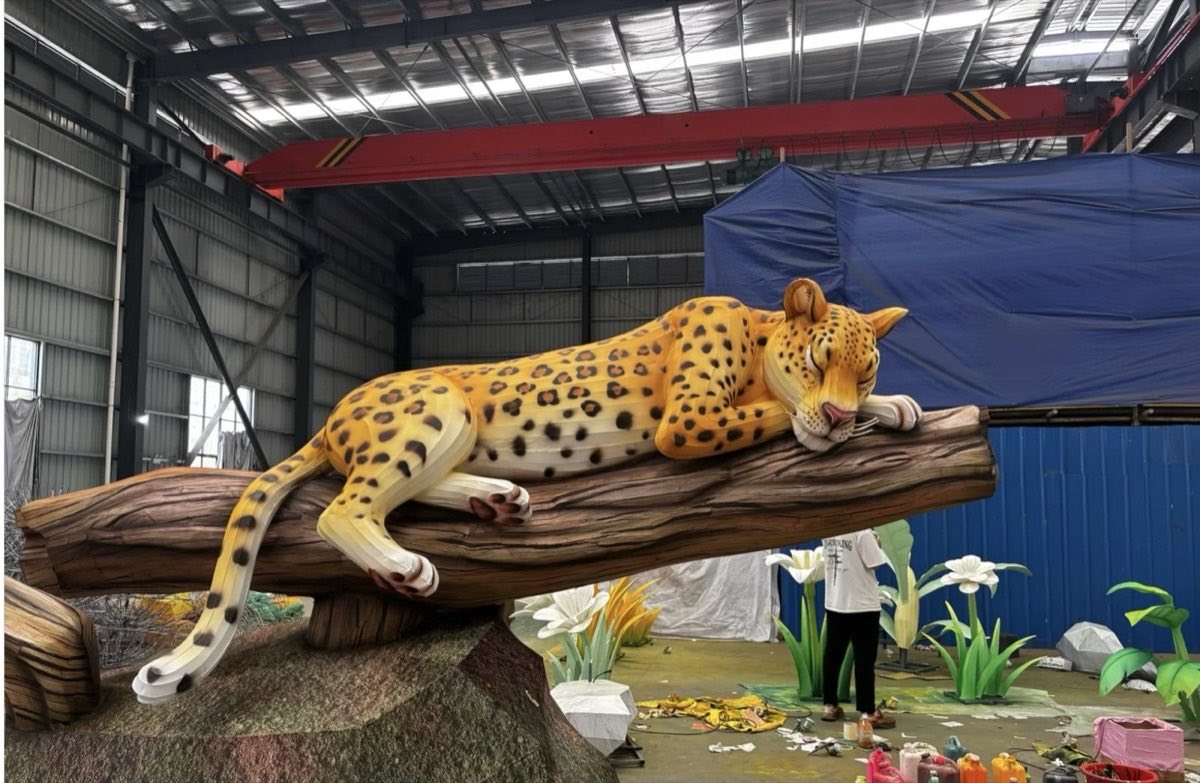
Having supplied both, we can state the difference plainly: scale and story. A scattering of small light sculptures reads as decoration; visitors photograph it in ten minutes and leave. A curated trail of monumental, themed scenes — a dragon corridor, an ocean passage, a blooming garden of three-metre peonies — reads as a destination. The engineering threshold matters too: wind-rated frames, IP-rated electrics and crowd-safe structures are what separate a professional build from a liability.
The festivals that renew year after year invest in original design tied to their city's identity — local architecture, local legend, local fauna. The lanterns become the city's winter signature, and the signature compounds.
Key Takeaways
- Dwell time, not ticket price, is the main economic lever of a light festival
- Lantern trails uniquely solve the winter window that other formats abandon
- Four revenue layers stack: tickets, F&B, tourism packages, sponsorship
- Monumental scale and original story separate destinations from decorations
- Certified engineering (wind, IP, crowd safety) is a precondition, not an upgrade
Planning a nighttime activation for your city or venue? We share attendance and revenue benchmarks from comparable projects during the design consultation. Start a project conversation →